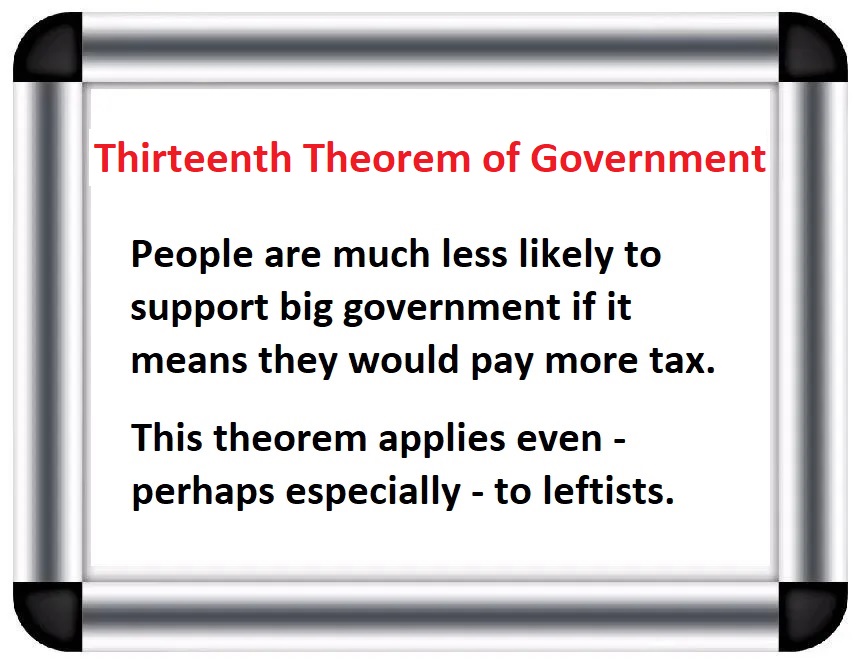
As I wrote last year, “people are Bernie Sanders when asked if they want goodies financed by other people’s money, but they turn into Rand Paul when asked if they want handouts financed with their own money.”
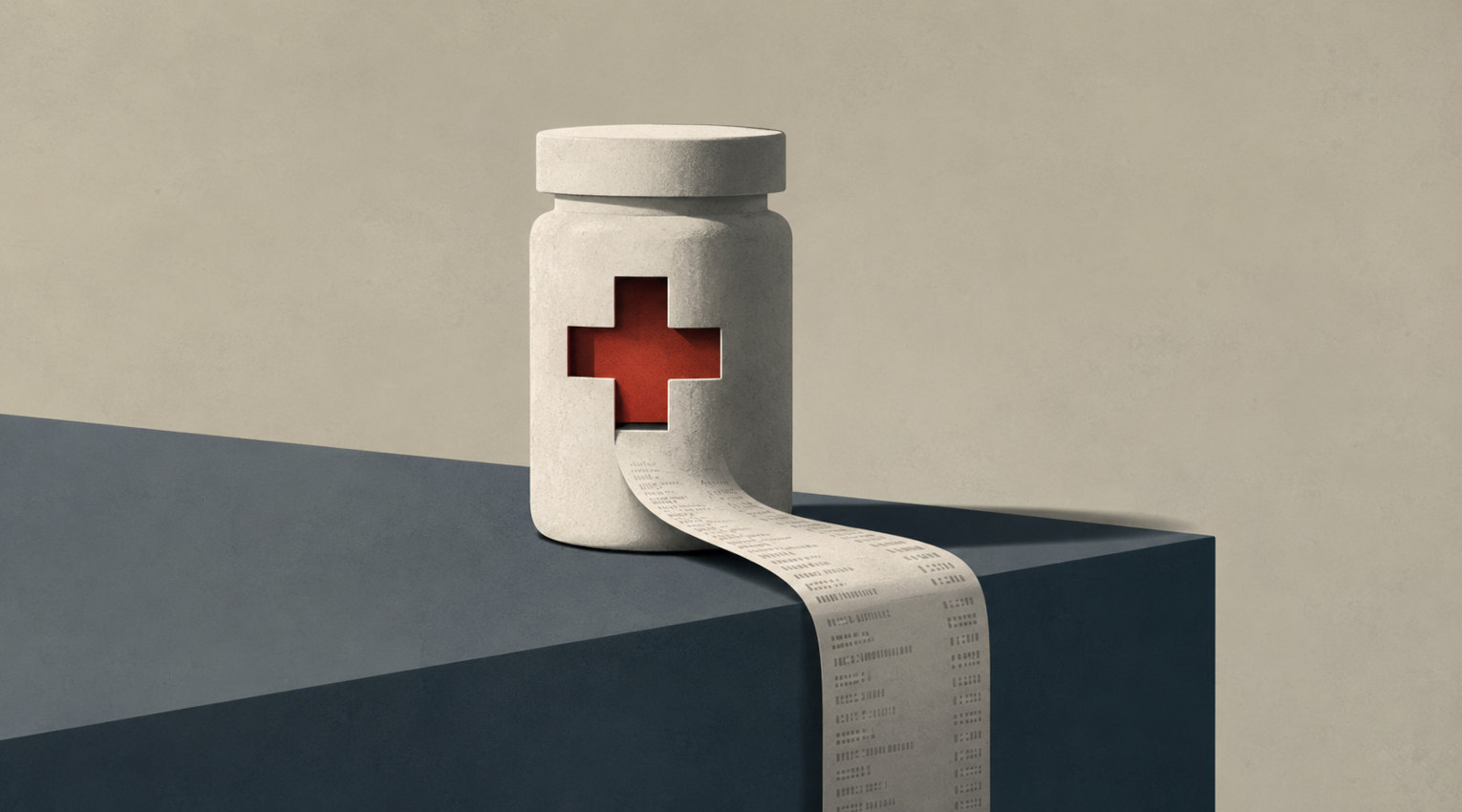
This even applies for supposed “human rights” such as government-provided health care.
Several blue states have tried to turn the dogma of single-payer healthcare into legislation in recent years, but the proposals fall apart when politicians try to figure out how to finance the handouts.
But folks on the left don’t give up easily. They may be economically illiterate, but they have perseverance.
So you won’t be surprised to learn that California is once again debating this massive expansion of the welfare state. Here are some excerpts from a recent Washington Posteditorial about the contest to see who will be the next governor of California.
After decades of championing a single-payer system, Becerra reportedly told the California Medical Association that he’s not supportive at this point. …billionaire Tom Steyer..opposed single payer when he ran for president in 2020 but flipped to run for governor. “Bernie Sanders was right,” he said. “Boy was I wrong.” He’s still unable to explain how he’d pay for it. Porter previously acknowledged that single payer was unrealistic in the short-term for similar reasons as Becerra, but now she’s promising to “deliver” Medicare-for-all in California if she wins. …Outgoing Gov. Gavin Newsom (D) pledged during his 2018 campaign to implement a state-run, single-payer system, but he broke that promise after he got into office. If implemented, his planwould have crushed the state’s finances. California’s nonpartisan legislative analyst office estimated in 2022 that single payer would cost between $494 billion and $552 billion a year. For comparison, the state budget Newsom proposed last week — after four years of inflation — calls for spending $349.4 billion next year. More than doubling spending would require dramatic tax hikes in a state the Tax Foundation already ranks as 48th on tax competitiveness.
The moral of the story is that big government is not feasible when politicians have to pay for it. Or, to be more accurate, big government isn’t popular when voters learn they have to pay for it.
I’ll add two observations.
First, today’s column shows the value of federalism. California politicians would like to finance single-payer health by just taxing the so-called rich. In other words, make the program a freebie for 90 percent of the population. But rational leftists understand such an approach will collapse if rich people simply decide to move (the irrational leftists may also learn this lesson because of their proposed wealth tax).
Second, while today’s column exposes Democrats for making unrealistic promises, Republicans often are guilty of doing the same thing. Many GOP politicians say they want fundamental tax reform (either a flat tax or national sales tax). But such an approach almost surely would require meaningful spending restraint. And just as Democrats are reluctant to impose massive tax increases, Republicans are loathe to limit the growth of government.
Though I’ll conclude by noting that a small-government flat tax system is quite feasible in the rare cases where good policy prevails. By contrast, there are no examples of successful big-government high-tax nations.