So, at the risk of engaging in repetitive analysis, let’s look at the latest example.
It involves a class-warfare tax hike in Scotland, and we have a report from the U.K.-based Sunday Times about what happened.
Here are some excerpts from the story, which was written by Daniel Sanderson.
A tax hike on high earners in Scotland has cost the public purse about £22 million in a single year, new analysis indicates. Dan Neidle, a tax policy expert who was part of the Scottish government’s recently axed tax advisory group, said its decision to impose a 48p top rate had instead reduced revenues. Rather than injecting money into struggling public services, as intended, evidence suggests high earners are so put off by the enormous rates, they are taking steps to avoid coming into that bracket. …Last week HMRC data showed the average amount of tax paid by top earners fell in 2024-25, the first year in which Humza Yousaf’s administration imposed the top 48p rate. …According to the analysis, based on the recently published HMRC data, the SNP’s decision to impose a 48p top rate of tax, which applies to earnings over £125,140 from the 2024-25 tax year, is likely to have reduced revenues for public spending by…around £22 million. At the time of the changes, which also included imposing an “advanced rate” of 45p on earnings between £75,000 and £125,140, those hit were assured that the “progressive” measure would support public services by raising additional cash.
In fairness, Scottish politicians didn’t just impose a new top rate of 48 percent that lost revenue.
They also lowered the income threshold for the 45 percent tax rate and made other changes that resulted in many residents facing higher marginal tax rates (while also reducing liabilities for lower-income taxpayers). As depicted in this infographic included with the article, the net result was more money for the politicians.
But the bottom of the infographic shows that politicians hoped to get £1.5 billion and they didn’t even get half that amount.
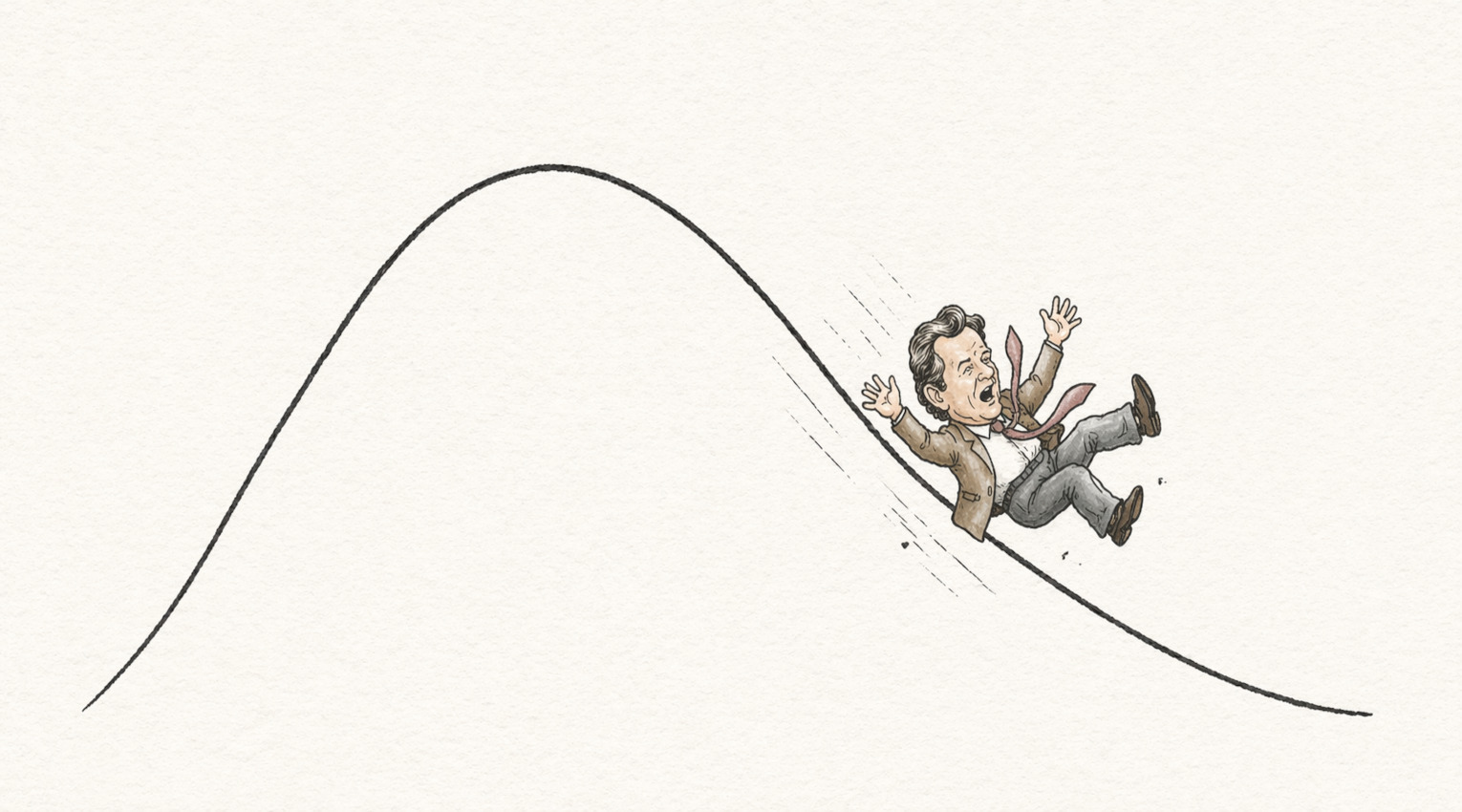
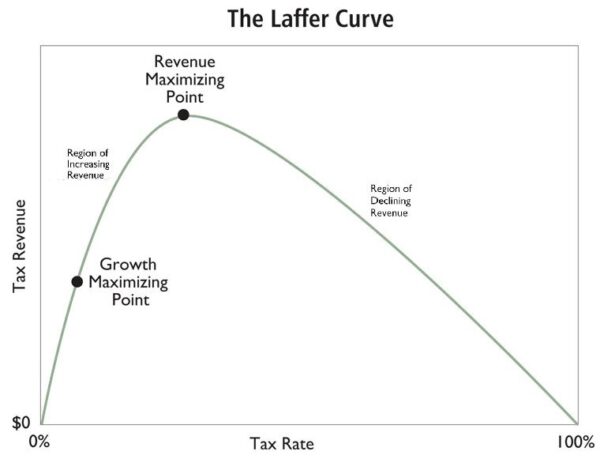
As a technical matter, this meant that the 48 percent top tax rate was on the downward-sloping part of the Laffer Curve (labelled above as the “region of declining revenue”).
In general, however, the overall tax increase was on the upward-sloping part of the curve (the “region of increasing revenue”).
This leads me to make two closing observations.
First, class-warfare tax increases on upper-income taxpayers are very foolish because those are people who have considerable control over the timing, level, and composition of their income. As a result, these people have the ability to change their behavior in ways that protect themselves from greedy politicians.
The moral of the story is that it is good to have low marginal tax rates, and those low marginal tax rates are especially desirable if you want rich people to focus on creating wealth rather than avoiding taxes.
Of course, if you are motivated by spite, envy, and resentment, you might still push for high tax rates.