
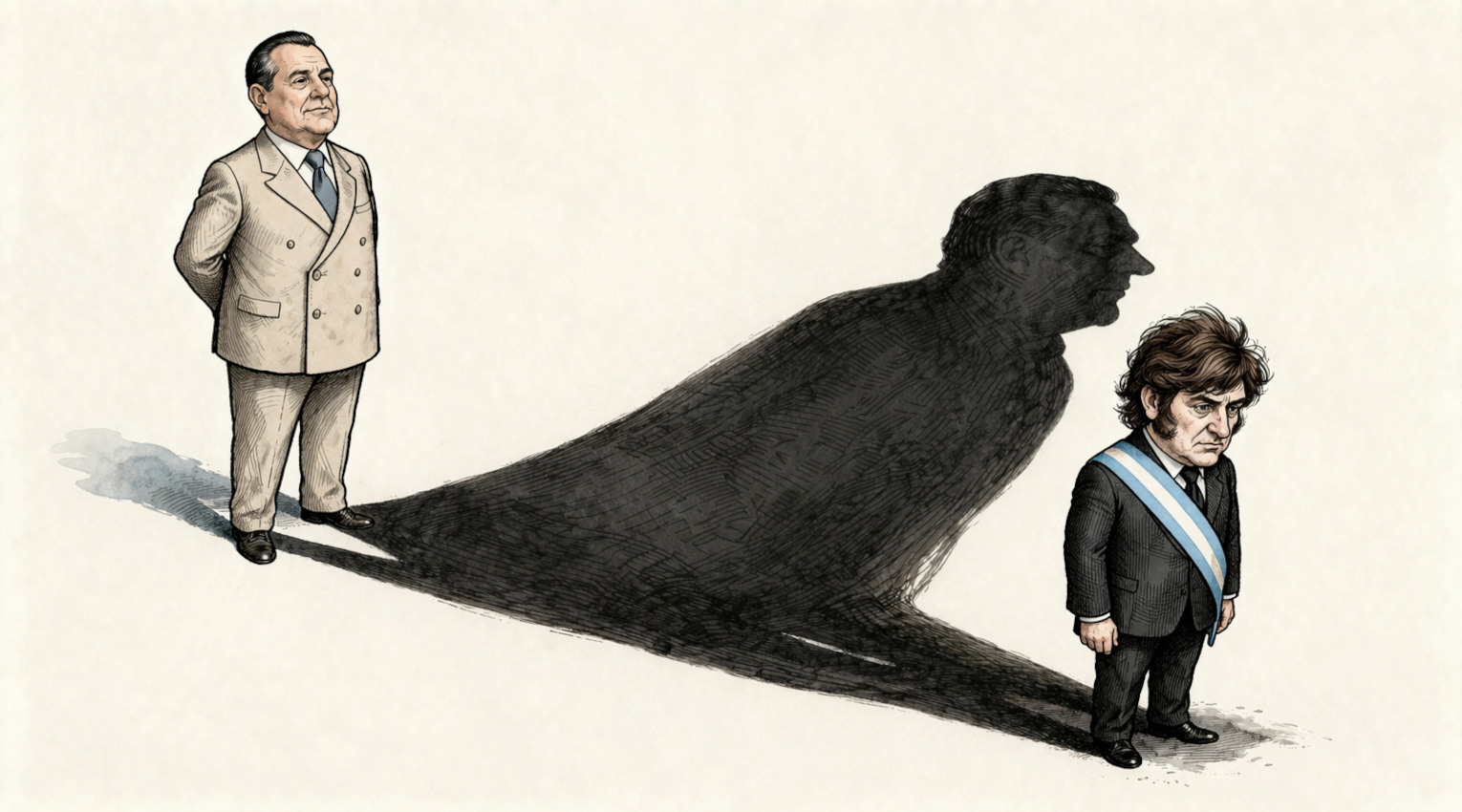
I began this series by reviewing the terrible shape of the Argentinian economy when Javier Milei took over at the end of 2023.
I then wrote four columns (here, here, here, and here) on the steps that Milei has taken to restore prosperity.
The good news is that his reforms have produced very good results.
Today, let’s look at a big-picture perspective, based on a presentation by Congresswoman Daiana Fernández Molero. We’ll start with this slide, that notes Milei’s victory was amazing, but he had very few fellow libertarians in the legislature.

Nonetheless, he was able to immediately balance the budget with big spending cuts while also getting some support in the legislature for partial liberalization.
That was in 2024.
His second year was a big rougher, but the economy continued to improve.

At one point in 2025, things looked rough, at least politically.
But voters seemed to realize that a return to Peronism would be very bad and they give Milei a huge victory in the October mid-term elections.
And this has meant new policy victories in 2026, including partial liberalization of labor markets.

But Argentina is still not in great shape.
According to the just-released Index of Economic Freedom, Argentina experienced the world’s biggest increases in economic liberty in both 2024 and 2025, but it still only ranks #106.
Needless to say, being #106 is way lower than Milei’s goal of having Argentina be the world’s freest economy.
And this slide outlines the challenges he still faces.

The left side of the slide summarizes the political challenges. The bottom line is that he needs to get reelected next year and he needs his libertarian party to win enough seats to control the legislature.
Regarding policy, I’m mostly interested in the two boxes on the right side since they explain the big obstacles to further shrinking the size of the state.
Provinces automatically get a share of federal taxes in Argentina. What’s needed is genuine federalism, such as what exists in Switzerland.
In other words, provinces should be in charge of collecting their own taxes and making their own decisions (and competing with each other). No transfers from the central government.
P.S. We need that in the United States as well.