Given my libertarian sensibilities, I think people who earn money deserve to keep as much of their income as possible. At least 90 percent.
Given my economic training, I think people who earn money should get to keep as much of their income as possible because I want them to have incentives to generate more prosperity.
In other words, class-warfare taxes can cause a lot of economic damage, but they don’t generate a lot of tax revenue.
Which leads me to share this report from the U.K.-based Financial Times. Written by Leila Abboud, it has what I’m calling the world’s least surprising headline.
Here are some excerpts.
A special income tax on high earners in France last year raised only a fraction of what the government had hoped for…and proceeds this year are again expected to be lower than budgeted. The French finance ministry said that a so-called “differential contribution” applying to those earning more than €250,000 a year raised only €400mn for the 2025 tax year instead of the €1.9bn it initially projected. …For 2026, the tax is expected to raise €650mn, €1bn less than planned, the ministry said, creating a budgetary hole… The shortfall from the extra income tax on high earners…also shows the challenges of crafting taxes on the rich that work. Wealthy people often turn to “optimisation” or avoidance techniques to reduce their exposure, such as moving assets or keeping them in holding companies. In the 1980s, about half of OECD countries had some form of wealth tax, while only a handful now do so, and they raise modest revenue for state coffers.
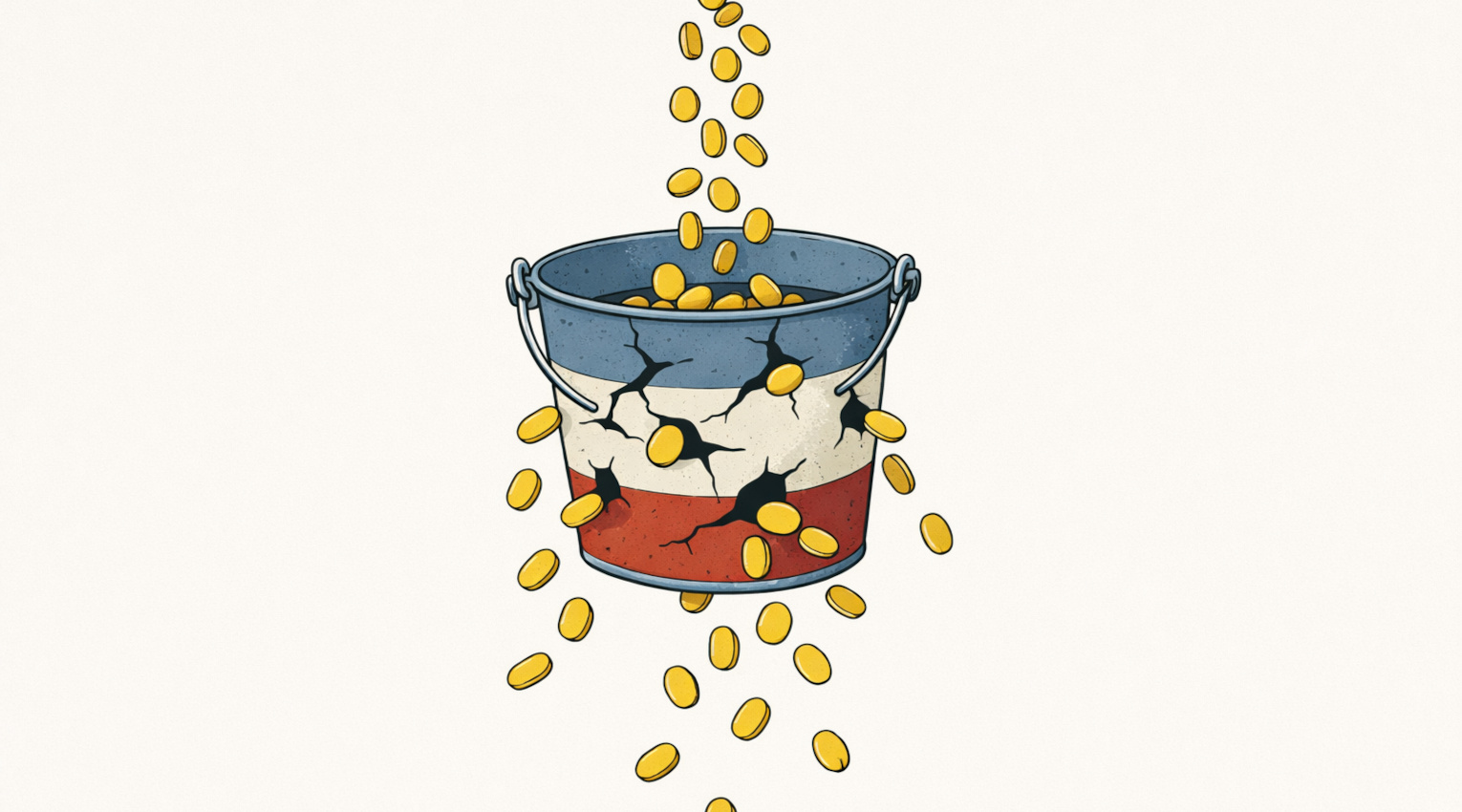
What’s happening in France could be called “Revenge of the Laffer Curve.” Greedy politicians can target the rich, but such initiatives always backfire.
In this case, the class-warfare tax backfired by collecting only a fraction of the revenue politicians wanted. As the French would say, “Quelle surprise.”