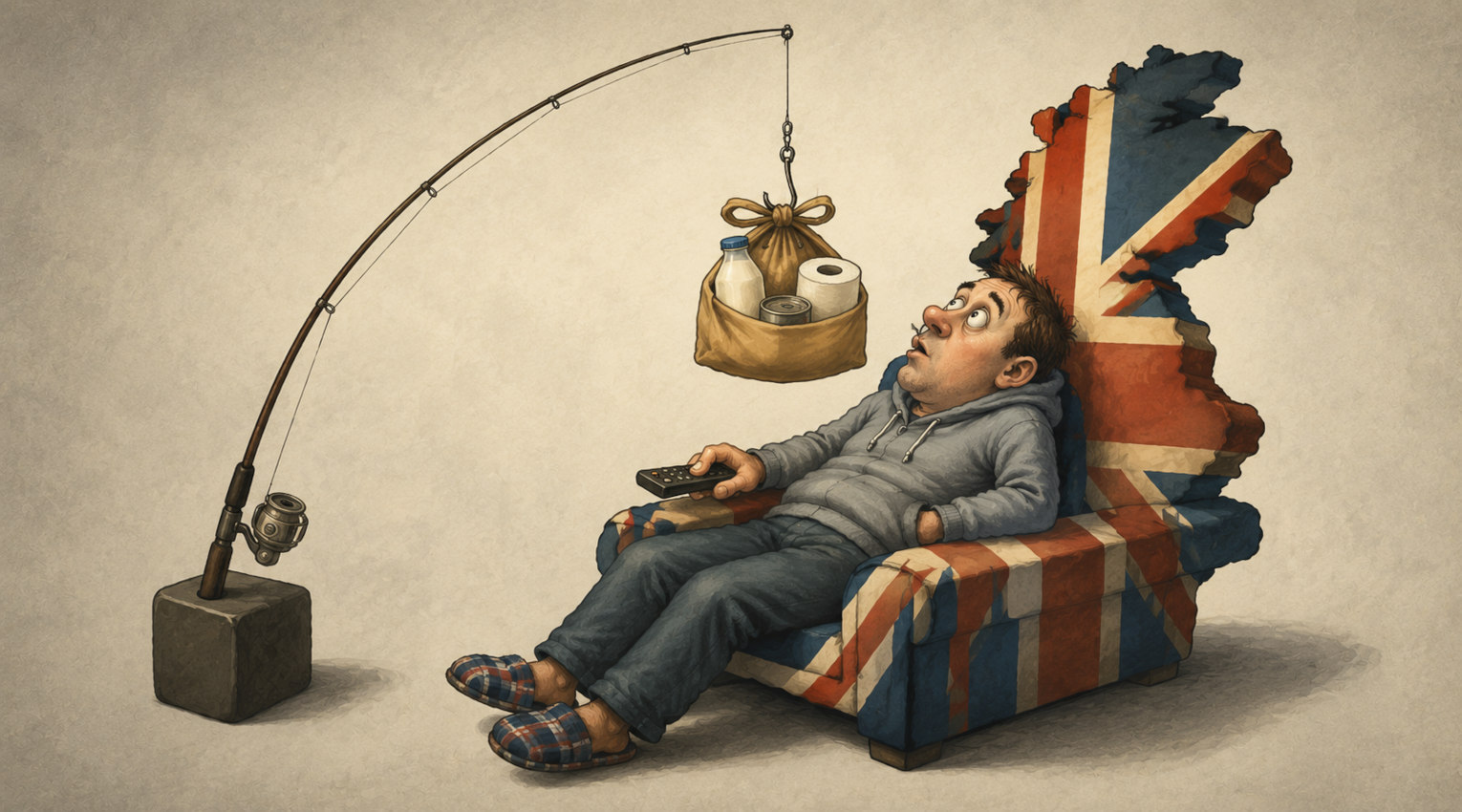
That being said, I sometimes worry that nations may become fundamentally ungovernable if voters decide that they can and should use the coercive power of government to mooch off their neighbors.
I’m raising this issue because of an editorial in yesterday’s Washington Post, the headline of which asks if the United Kingdom is now ungovernable?
Here are some excerpts.
The resignation of British Prime Minister Keir Starmer stems less from scandals than his inability to revive his country from stagnation. The challenge will deepen if the next Labour leader responds with even greater state intervention into the economy. …After winning the biggest parliamentary landslide in modern British history, Starmer failed to deliver on his campaign agenda. For example, the party’s 2024 manifesto promised not to increase National Insurance, a jobs tax paid by employers and workers. He reneged not even three months after the election. Raising taxes on business didn’t curb the country’s deficit in any meaningful way, and borrowing costs came in higher than expected. Rather than overhauling the central planning systems that make it nearly impossible to build in the U.K., Starmer kept looking for new ways to raise additional revenue. He slapped a value-added tax on private school education fees and hiked spending to near-record highs. …Such stunts didn’t help. Britain will soon be led by its fifth prime minister in seven years. Former Manchester mayor Andy Burnham, elected last week to Parliament, will probably be elected as the new leader and take over next month. Burnham seems even keener than Starmer on government meddling in the economy. For example, he advocates price controls to reduce the cost of living, even though they’d lead to shortages. Burnham also wants to nationalize water and energy businesses.
For all intents and purposes, the editorial explains that the country is ungovernable if politicians keep making the same mistakes.
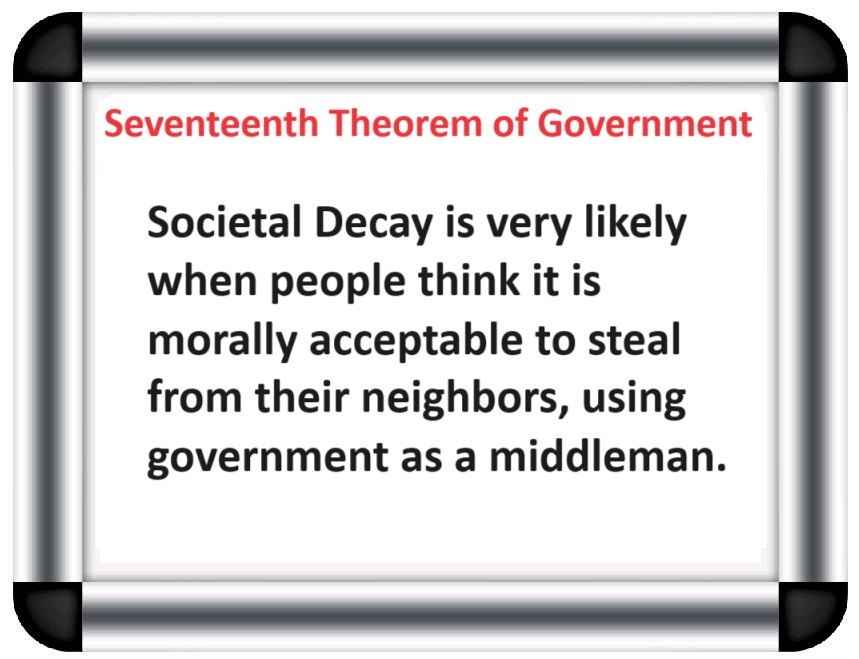
Which raises (what should be) the key question: Is the United Kingdom ungovernable because voters are too hooked on the heroin of government dependency (as captured by my 17th Theorem)?
In other words, is it the case that the voters would never again elect someone like Margaret Thatcher?
While I’m generally pessimistic (because of “public choice” and demographics), I don’t think the situation is hopeless. For instance, while Boris Johnson turned out to be a bad Prime Minister, he was elected with a somewhat Thatcherite message. And that was only seven years ago.
So there’s still hope, but best not to wait too long to get another good leader.