
Originally published by American Thinker on December 23, 2025.
We recently endured the longest-ever U.S. government shutdown as part of a fight over expiring healthcare tax credits. Democrats insist that Americans can’t afford Obamacare plans without the enhanced subsidies that were temporarily added post-COVID, which certainly raises questions about the efficacy of their Affordable Care Act.
On top of proving a massive waste of time, the shutdown fight represented a misdirection of lawmaker energy. Rather than debating whether to paper over the healthcare affordability problem with yet another layer of subsidies, Congress instead should focus on finding cost-savings common ground like eliminating the abuse of the 340B drug discount program by large hospitals.
Created in 1992, 340B was intended to help hospitals and clinics serving vulnerable populations by allowing them to buy outpatient drugs from pharmaceutical manufacturers at steep discounts. These hospitals could then stretch those savings to fund charity care and community health. But that’s not what is happening.
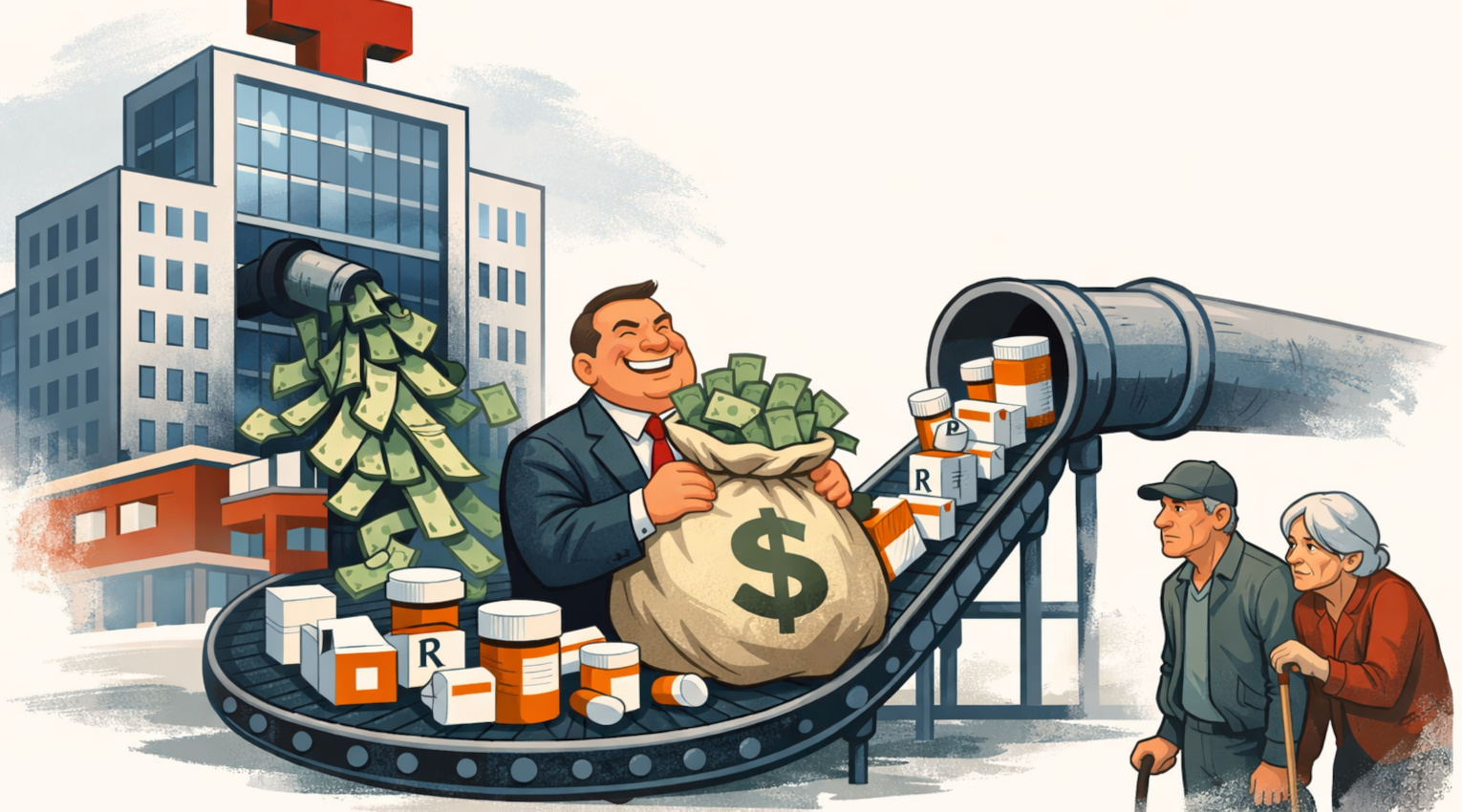
Today, the program has ballooned into a multi-billion-dollar revenue stream for large health systems that often do little to serve the underserved. Hospitals buy drugs at 340B discounts — sometimes 50% or more below list price — and then turn around and bill Medicare, Medicaid, and private insurers at full price. Worse, many uninsured patients see no savings at all.
According to the Government Accountability Office, 340B hospitals on average have significantly higher drug spending than their non-340B peers. Many simply pocket the margin. There is no legal requirement that they use the proceeds to help low-income patients, and a growing body of research suggests they often do not.
Hospitals receive 37% of all Medicare spending and 32% of all Medicaid spending, which is around $650 billion per year. That flood of government money has created a perverse set of incentives: dependency, rent-seeking, and misaligned priorities.
The 340B program is perhaps the most egregious case. Large nonprofit hospital systems, especially those in well-insured urban areas, have mastered the art of exploiting the program. They qualify based on serving a nominally high share of Medicaid patients, but in practice distribute their 340B drugs through sprawling networks, including contract pharmacies in affluent zip codes, with no assurance that poor patients are actually benefiting.
The “Bon Secours” scandal in Richmond, Virginia, is emblematic. Bon Secours Mercy Health reaped 340B discounts intended for indigent care while aggressively expanding its services into higher-income neighborhoods, effectively subsidizing profitable care with taxpayer-backed discounts.
Meanwhile, the IRS tax exemption for nonprofit hospitals is supposed to be justified by a need to encourage charity care. But according to independent estimates, there is a $26 billion gap between the value of these tax breaks and the actual charity care provided. The worst offenders? The hospitals with more than $100 million in tax-free revenue annually.
Fortunately, bipartisan momentum is building to fix 340B. Proposed reforms include increased transparency, stricter eligibility standards, and tighter rules on who qualifies as a 340B patient. There’s no reason why both sides can’t come together to fix such an obviously flawed policy that distorts health markets, raises drug costs, and wastes taxpayer resources.
Fixing 340B won’t solve the fundamental problems in our healthcare system. But unlike the performative battles of the last shutdown, this is a place where real savings and real reforms are within reach.